Building More Than Robots: Success Through Persistence in VEX Workshops
Success is earned, not given. Stay committed, and your hard work will pay off.
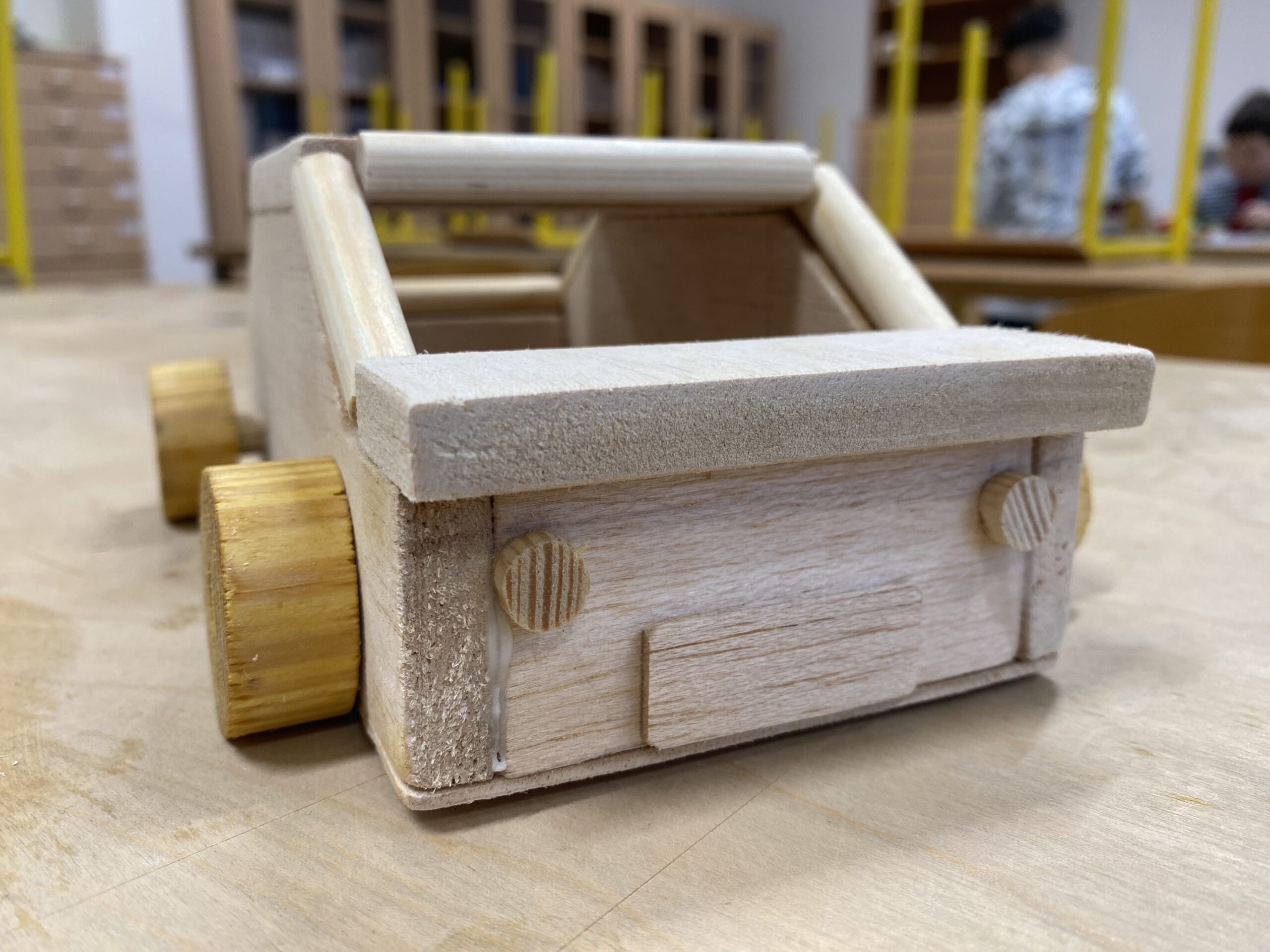
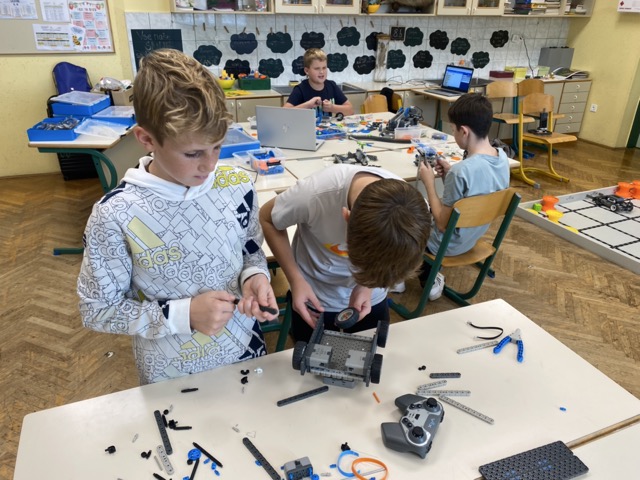
After years of leading VEX Robotics workshops, one truth stands clearer than ever: success is earned, not given. Every time I step into my workshop space, I see this principle in action. The sound of students brainstorming creative designs, the satisfying snap of VEX parts coming together in unique ways, and the focused concentration on their faces as they bring their original ideas to life – all tell the same story – excellence demands effort. From their first sketches of innovative mechanisms to testing their unique robot designs, every step challenges their creativity and problem-solving skills. Without building manuals, they learn to trust their instincts and engineering judgment, turning their imaginative ideas into working robots through pure determination and ingenuity.
The Workshop Journey
Leading these intensive workshops has taught me more about success than any textbook ever could. When students first walk through my doors, they often bring misconceptions about what it takes to excel in robotics. Some believe natural talent is enough. Others think they can achieve mastery in a few quick sessions. But as the workshop progresses, reality sets in.
The beautiful thing about robotics is its honesty. A robot either works or it doesn’t. There’s no room for half-measures or almost-good-enough. This brutal honesty makes my workshops perfect proving grounds for the principle that success must be earned through dedication and hard work.
The Holiday Commitment
One of the most telling aspects of my workshops is their timing. I run many sessions during school holidays, and this is intentional. When students choose to spend their free time in my workshop rather than relaxing at home, they’re making their first down payment on future success.
The holiday workshops are particularly intense. I pack months’ worth of learning into concentrated three-day sessions. It’s challenging, yes, but that’s exactly the point. Success in any field rarely comes from doing what’s easy. It comes from pushing beyond comfort zones, from choosing the difficult path when easier options are available.
The Reality of Progress
From my position guiding these workshops, I witness the true meaning of growth and commitment. Some students arrive with preconceptions, thinking they can quickly assemble a perfect robot by following standard designs they’ve seen online. But true robotics innovation doesn’t work that way – and neither does meaningful learning.
Progress comes through embracing the creative process. I see it in the student who starts with a rough idea, sketches multiple iterations, and isn’t afraid to completely disassemble their robot to try a better approach. It shows in the way they learn to question each design choice, experiment with different mechanisms, and push the boundaries of what’s possible with VEX parts. These students discover that success comes not from following someone else’s path, but from forging their own through creativity and persistence.
The most rewarding moments come when students break free from conventional thinking. They stop asking “How should I build this?” and start asking “How could I build this?” This shift in mindset – from seeking instructions to embracing innovation – marks the beginning of true engineering thinking. These are the students who understand that success isn’t just about reaching a goal; it’s about developing the confidence to solve problems in original ways.
The Workshop Environment
I’ve deliberately structured my workshops to reflect real-world success principles. Each day brings progressive challenges, each building on the last. There’s no skipping steps, no rushing ahead without mastering fundamentals. This approach teaches more than just robotics – it instills the understanding that sustainable success comes from building strong foundations.
The environment I create is demanding but supportive. Students learn quickly that mistakes are not just allowed but expected. What matters is how they respond to these setbacks. Do they give up? Or do they analyze, adjust, and try again? This resilience, this willingness to persist despite difficulties, is crucial for long-term success.
Time Management and Dedication
During my workshops, time becomes a precious resource. Students learn to maximize every minute, whether they’re building, programming, or troubleshooting. This focus on efficient time use carries valuable lessons about the relationship between effort and achievement.
I often tell my students that success in robotics, like success in life, requires smart work as much as hard work. It’s not just about putting in hours – it’s about making those hours count. This means staying focused during workshop sessions, practicing deliberately, and always pushing for improvement.
Beyond Technical Skills
While my workshops focus on robotics, the principles of earned success extend far beyond technical skills. Students learn invaluable lessons about:
- Time management
- Problem-solving
- Perseverance
- Systematic thinking
- Goal setting
- Progress evaluation
These soft skills, earned through dedicated practice, often prove as valuable as technical knowledge in the long run.
The Commitment Challenge
Leading these workshops has shown me that commitment is both the simplest and hardest part of success. It’s simple because the principle is clear: show up, work hard, stay focused, and repeat. It’s hard because maintaining this commitment day after day requires tremendous mental strength.
But this is precisely why success must be earned. If it were easy, it wouldn’t be meaningful. The challenge of maintaining commitment is what makes the eventual success so rewarding.
Long-Term Perspective
Perhaps the most important lesson I try to convey in my workshops is the need for a long-term perspective. Success in robotics, as in any worthwhile pursuit, doesn’t come overnight. It’s the result of sustained effort over time.
Students who grasp this concept stop looking for quick fixes and start focusing on consistent improvement. They understand that each workshop, each practice session, each challenge overcome is part of a larger journey toward excellence.
My Role as a Guide
As a workshop leader, I see myself as a catalyst for creativity rather than a source of solutions. When students face a design challenge, I don’t hand them a manual or show them “the right way.” Instead, I ask questions that spark their imagination: “What if you tried a different mechanism?” “How could you make this more efficient?” “What inspired this design choice?” These questions help them discover their own path to innovation.
Standing back while students grapple with challenges is one of the hardest – yet most crucial – aspects of my role. When I see a team struggling with a mechanism or puzzling over a structural problem, my instinct is to step in with a solution. But I’ve learned that these moments of challenge are where real learning happens. It’s in these struggles that students develop their engineering instincts and build the confidence to trust their creative judgment.
True guidance isn’t about preventing failures or providing ready-made answers. It’s about creating an environment where students feel safe to experiment, fail, and try again. When I hear “I’ve never thought of building it that way before” or see a student’s eyes light up with a new idea, I know I’m succeeding in my role. Because in robotics, as in life, the most valuable solutions are the ones we discover for ourselves.
Final Thoughts
To anyone considering joining my workshops or pursuing success in any field, remember this: the path to excellence is open to anyone willing to earn it. The question isn’t whether you can succeed – it’s whether you’re willing to put in the effort required for success.
The choice to commit, to work hard, to persist through challenges – these decisions are yours to make. But if you’re willing to earn it, if you’re ready to put in the work, then success will follow as surely as programming follows logic.
Remember: Success is earned, not given. Stay committed, and your hard work will pay off. This isn’t just a motto – it’s a proven path to achievement, tested and verified in my workshops day after day, year after year.
Why I Love My Role as a Robotics Teacher
Teaching robotics isn’t just my job—it’s my passion.
Nothing compares to watching a student’s eyes light up when their creative design works for the first time. Without building manuals, every workshop becomes an adventure in innovation, where students discover their own unique solutions and build confidence alongside their robots.
The best part? Witnessing that magical moment when students stop asking “How should I build this?” and start asking “How could I build this?” That transformation — from instruction-followers to creative problem-solvers — makes this the best job in the world. Because every day, I get to watch success being earned, creativity being unleashed, and potential being realized…