Don’t Wait for Opportunity, Create It: Empowering STEM Students Through an Inquiry-Driven IB Framework
The rapid evolution of science and technology demands an educational approach that not only imparts knowledge but also cultivates the skills and dispositions essential for innovation and problem-solving. As International Baccalaureate (IB) educators, we are uniquely positioned to foster these qualities in our students through an inquiry-driven framework that emphasizes conceptual understanding, international-mindedness, and the development of the IB Learner Profile attributes. This article explores strategies for empowering STEM students to become active creators of their own learning opportunities, moving beyond traditional pedagogical approaches to cultivate a generation of critical thinkers, innovators, and problem-solvers prepared to navigate the complexities of the 21st century.
Cultivating an Inquiry-Driven STEM Environment
The IB philosophy, with its emphasis on inquiry-based learning, provides a fertile ground for cultivating a dynamic STEM learning environment. By encouraging students to question, explore, and experiment, we empower them to take ownership of their learning and develop a deeper understanding of STEM concepts. This approach transcends the traditional model of passive knowledge acquisition, fostering intellectual curiosity and a lifelong love of learning.
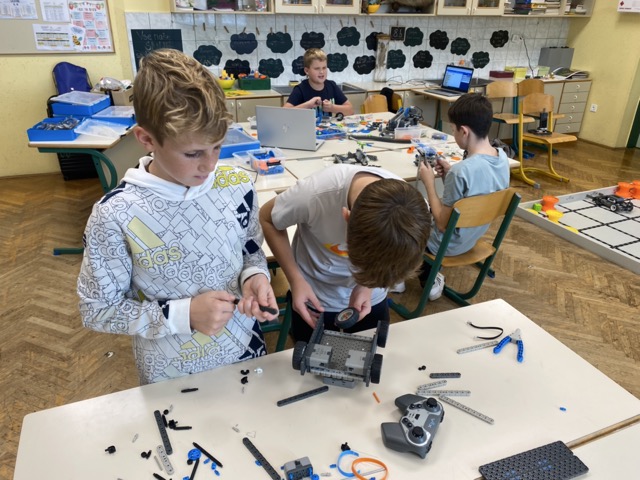
Inquiry-based learning in STEM can take many forms, from student-led investigations and design challenges to collaborative projects and real-world problem-solving activities. For instance, in a robotics class, students might be tasked with designing a robot to address a specific community need, such as assisting the elderly or improving environmental sustainability. This type of project not only allows students to apply their technical skills but also encourages them to become inquirers, thinkers, and communicators as they research, design, and present their solutions.
Integrating the IB Learner Profile in STEM Education
The IB Learner Profile provides a comprehensive framework for developing the essential qualities that we strive to cultivate in our students. By intentionally integrating these attributes into our STEM curriculum and instruction, we can foster a holistic learning experience that extends beyond the acquisition of knowledge and skills.
For example, in a design technology class, an open-ended design challenge can be used to foster creativity, problem-solving skills, and principled decision-making. Students might be tasked with designing a sustainable solution for a local environmental issue, encouraging them to become knowledgeable researchers, critical thinkers, and ethically responsible innovators.
Furthermore, by encouraging students to reflect on their learning experiences and identify areas for growth, we can foster self-awareness and a commitment to lifelong learning. This metacognitive approach is essential for developing the adaptability and resilience necessary to thrive in a rapidly changing world.
Fostering International Mindedness in STEM
In an increasingly interconnected world, it is imperative to cultivate international mindedness in our students. STEM education provides a unique opportunity to foster global perspectives and encourage collaboration across borders. By incorporating case studies and examples from different cultures and countries, we can broaden students’ understanding of STEM concepts and their applications in diverse contexts.
For instance, students might explore how engineers in Japan are utilizing robotics to address the challenges of an aging population, or how scientists in Africa are developing innovative solutions for water scarcity. These real-world examples not only illustrate the global nature of STEM but also inspire students to consider the ethical and societal implications of scientific and technological advancements.
Furthermore, collaborative projects with students from other countries can provide authentic opportunities for intercultural communication and cooperation. Such experiences foster empathy, respect for diversity, and an appreciation for the interconnectedness of global challenges and solutions.
Promoting Conceptual Understanding in STEM
While technical skills are undoubtedly important in STEM fields, it is equally crucial to foster a deep conceptual understanding of the underlying principles. By encouraging students to make connections between different concepts and apply their knowledge in novel situations, we can prepare them for the challenges of a rapidly evolving technological landscape.
In a robotics class, for example, students can explore the physics of motion and mechanics, the mathematics of algorithms and control systems, and the ethical considerations of artificial intelligence. This interdisciplinary approach not only deepens their understanding of robotics but also encourages them to become balanced learners who appreciate the interconnectedness of different STEM disciplines.
Moreover, by engaging students in discussions about the societal impact of technology, we can foster critical thinking skills and encourage them to become responsible innovators who consider the ethical implications of their work. This approach aligns with the IB learner profile attribute of “caring,” emphasizing the importance of using knowledge and skills to create a better and more equitable world.
Creating Opportunities for Authentic Learning
Authentic learning experiences, which connect classroom learning to real-world contexts, are essential for engaging students and fostering deep understanding. In STEM education, this can involve project-based learning, internships, mentorships, and participation in competitions and conferences.
For instance, students might participate in a robotics competition, where they design, build, and program a robot to compete in a series of challenges. This type of experience not only allows students to apply their technical skills but also fosters teamwork, problem-solving, and resilience.
Furthermore, internships and mentorships can provide students with valuable insights into STEM careers and connect them with professionals in their field of interest. These experiences can inspire students to pursue further studies in STEM and contribute to their future career success.
Embracing Technology as a Tool for Learning
Technology plays a pivotal role in both STEM education and the broader IB framework. By integrating technology effectively into our teaching practices, we can enhance student engagement, personalize learning experiences, and provide opportunities for creativity and innovation.
For example, virtual reality (VR) and augmented reality (AR) technologies can provide immersive learning experiences that allow students to explore complex STEM concepts in a dynamic and interactive way. Students might use VR to explore the human body, conduct virtual experiments, or even travel to distant planets.
Furthermore, digital fabrication tools, such as 3D printers and laser cutters, can empower students to design and create their own prototypes and inventions. This hands-on experience fosters creativity, problem-solving skills, and an entrepreneurial mindset.
Assessment for Learning in STEM
Assessment practices in STEM education should align with the IB philosophy of fostering inquiry, conceptual understanding, and international mindedness. Formative assessment, which provides ongoing feedback to students and informs instructional decisions, is essential for supporting student learning and growth.
For instance, student portfolios can be used to showcase their progress, document their learning process, and provide opportunities for reflection. This approach encourages students to take ownership of their learning and develop a sense of agency.
Furthermore, peer assessment and self-assessment can promote collaboration, critical thinking, and a deeper understanding of assessment criteria. By actively involving students in the assessment process, we can empower them to become self-directed learners and responsible for their own academic progress.
The Role of the IB Educator in STEM
The IB educator plays a crucial role in creating a dynamic and supportive learning environment that empowers STEM students. By embracing the IB philosophy and incorporating the strategies outlined in this article, educators can foster a love of learning, cultivate essential skills and dispositions, and inspire students to become active contributors to the global community.
Effective IB educators in STEM are passionate about their subject matter, committed to ongoing professional development, and dedicated to fostering a culture of inquiry and collaboration in their classrooms. They serve as facilitators, mentors, and co-learners, guiding students on their journey of discovery and empowering them to reach their full potential.
Conclusion
In a world characterized by rapid technological advancements and complex global challenges, it is imperative to equip our students with the knowledge, skills, and dispositions necessary to thrive in the 21st century. By embracing an inquiry-driven IB framework, integrating the IB Learner Profile, fostering international mindedness, and promoting conceptual understanding, we can empower STEM students to become active creators of their own learning opportunities.
As IB educators, we have a responsibility to cultivate a generation of critical thinkers, innovators, and problem-solvers who are prepared to navigate the complexities of our world and contribute to a more sustainable and equitable future. By fostering a love of learning, a commitment to inquiry, and a sense of global citizenship, we can empower our students to make a positive impact on the world and shape a brighter tomorrow.