Empowering Minds: The Positive Impact of STEM and VEX IQ Robotics
In the world of STEM (Science, Technology, Engineering, and Mathematics) and VEX IQ robotics, there’s a powerful truth: “Knowledge isn’t free. You have to pay attention.” But far from being a burden, this principle opens doors to incredible growth, especially for students with diverse learning needs. Let’s explore how the focus required in these fields can foster positive qualities and create an inclusive environment where all students, including those with special needs, can thrive.
The Gift of Attention: Cultivating Positive Qualities
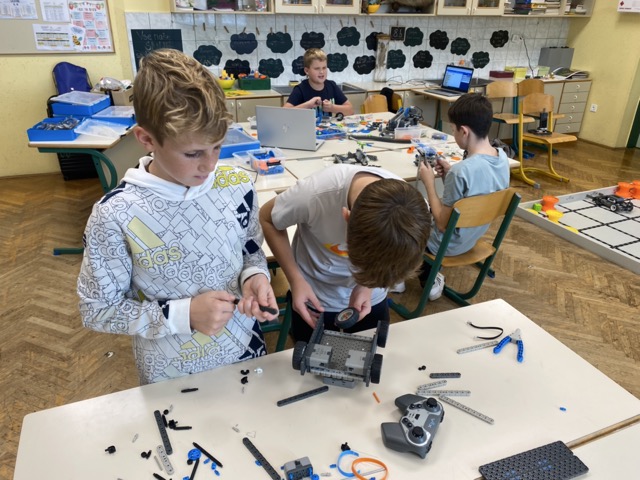
Engaging in STEM activities and VEX IQ robotics naturally encourages the development of attention skills. This focus acts as a catalyst, nurturing a range of positive qualities:
- Persistence: The challenges in robotics teach students to keep trying, even when faced with obstacles. This builds resilience and a growth mindset.
- Creativity: Focused attention in STEM often leads to innovative problem-solving, encouraging students to think outside the box.
- Precision: The detailed nature of robotics fosters an appreciation for accuracy and careful work.
- Teamwork: Many STEM projects, especially in VEX IQ competitions, require collaboration, helping students develop strong interpersonal skills.
- Self-confidence: Successfully completing complex tasks boosts self-esteem and belief in one’s abilities.
- Analytical thinking: The problem-solving nature of STEM and robotics sharpens critical thinking skills.
- Patience: Working through challenging projects teaches the value of taking time to get things right.
- Adaptability: The ever-changing nature of technology encourages students to be flexible and open to new ideas.
STEM and VEX IQ Robotics: A Haven for Diverse Learners
One of the most beautiful aspects of STEM and VEX IQ robotics is their potential to create an inclusive learning environment. These fields offer unique benefits for students with special needs:
- Structured Environment: The step-by-step nature of building and programming robots provides a clear, structured approach that can be particularly beneficial for students with autism spectrum disorders (ASD) or attention deficit hyperactivity disorder (ADHD).
- Multi-Sensory Learning: VEX IQ robotics offers tactile, visual, and sometimes auditory feedback, engaging multiple senses. This can be especially helpful for students with sensory processing differences.
- Self-Paced Progress: Many STEM activities allow students to work at their own pace, reducing pressure and anxiety for those who may need more time to process information.
- Concrete Outcomes: The tangible results of building and programming robots provide immediate feedback, which can be motivating for students who struggle with abstract concepts.
- Social Skills Development: Team-based robotics projects offer opportunities for social interaction in a structured, goal-oriented setting, benefiting students who find unstructured social situations challenging.
- Strengths-Based Approach: STEM and robotics activities often allow students to leverage their unique strengths, boosting confidence and self-esteem.
Fostering Focus: Strategies for All Learners
While attention is crucial in STEM and robotics, it’s important to recognize that focus can be cultivated in various ways. Here are some strategies that can benefit all students, including those with special needs:
- Visual Aids: Using visual schedules, checklists, and diagrams can help students stay on track and understand complex concepts.
- Break Tasks into Smaller Steps: This approach can make large projects less overwhelming and more manageable.
- Hands-On Learning: The tactile nature of robotics naturally engages many students who might struggle with traditional learning methods.
- Incorporate Interests: Linking STEM concepts to a student’s specific interests can significantly boost engagement and focus.
- Provide Choice: Offering options in projects or approaches can increase motivation and attention.
- Use Timers: For students who struggle with time management, visual timers can help structure work sessions.
- Create a Sensory-Friendly Environment: Adjusting lighting, reducing noise, or providing fidget tools can help some students maintain focus.
Success Stories: Diverse Minds in STEM
Across the globe, students with diverse learning needs are making remarkable strides in STEM and robotics. From students with dyslexia excelling in programming to those with ADHD finding their niche in innovative design, the field is rich with inspiring stories. These successes highlight how the focused nature of STEM activities can channel diverse thinking styles into remarkable achievements.
The Ripple Effect: Beyond the Classroom
The positive qualities and skills developed through attention-intensive STEM activities extend far beyond robotics competitions or science fairs. Students often find that their improved focus, problem-solving skills, and confidence positively impact other areas of their lives:
- Academic Performance: The analytical skills honed in STEM can boost performance across various subjects.
- Social Relationships: Improved communication and teamwork skills can enhance personal relationships.
- Future Career Prospects: The technical and soft skills developed are highly valued in many professions.
- Personal Growth: Increased self-confidence and resilience can lead to greater overall well-being.
Conclusion: Unleashing Potential Through Focused Engagement
In STEM and VEX IQ robotics, the principle that “knowledge isn’t free; you have to pay attention” isn’t about limitations—it’s about unleashing potential. By engaging deeply with these fields, students of all abilities can develop a range of positive qualities that will serve them well throughout their lives.
For students with special needs, STEM and robotics offer more than just technical knowledge; they provide a pathway to self-discovery, confidence, and success. The focus required becomes a tool for empowerment, allowing diverse minds to shine in their unique ways.
As educators our role is to create environments where all students can engage with STEM and robotics, harnessing the power of attention to unlock their full potential. In doing so, we’re not just building robots or solving equations—we’re nurturing the innovators, problem-solvers, and leaders of tomorrow, celebrating the beautiful diversity of human minds along the way.