Fostering Innovative Thinking in IB STEM Education

“Birds born in a cage think flying is an illness.” This profound metaphor, often attributed to Alejandro Jodorowsky, encapsulates a fundamental challenge in education, particularly in STEM fields. As educators, we often find ourselves tasked with not just imparting knowledge, but with helping our students break free from the ‘cages’ of conventional thinking that can limit their potential for innovation and creativity.
In the context of the International Baccalaureate (IB) Middle Years Programme (MYP), particularly in Design Technology and Computer Science, this concept takes on special significance. Our role is to guide students from the structured environments of their early education into the boundless skies of innovative thinking and problem-solving.
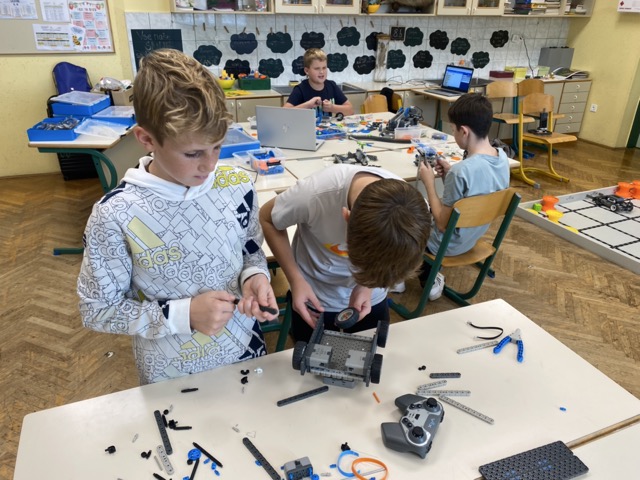
As an IB Design Technology and Computer Science teacher, my role is both specific and crucial. I stand at the intersection of creativity and technology, tasked with bridging the gap between abstract concepts and practical applications. My responsibility is to create a learning environment where the rigorous technical skills of computer science and the creative problem-solving of design technology come together seamlessly.
Let’s delve into some compelling examples from my teaching practice that illustrate the dynamic interplay between student innovation and teacher guidance. These projects not only showcase the integration of Design Technology and Computer Science but also highlight the evolving roles of both students and educators in this creative learning process.
The Cage of Conventional Thinking
Traditional education systems, with their focus on standardized testing and rote learning, can inadvertently create ‘cages’ that limit students’ ability to think creatively. In STEM fields, this can manifest as an over-reliance on formulaic problem-solving or a reluctance to explore unconventional solutions.
For example, in a traditional approach to teaching woodworking, students might be given precise instructions to create a specific product. While this teaches basic skills, it doesn’t necessarily encourage innovation or personal expression.
Breaking Free: The Role of the Teacher
As IB educators, our role is to be the key that unlocks these cages, allowing our students to spread their wings and explore new possibilities. This involves several key strategies:
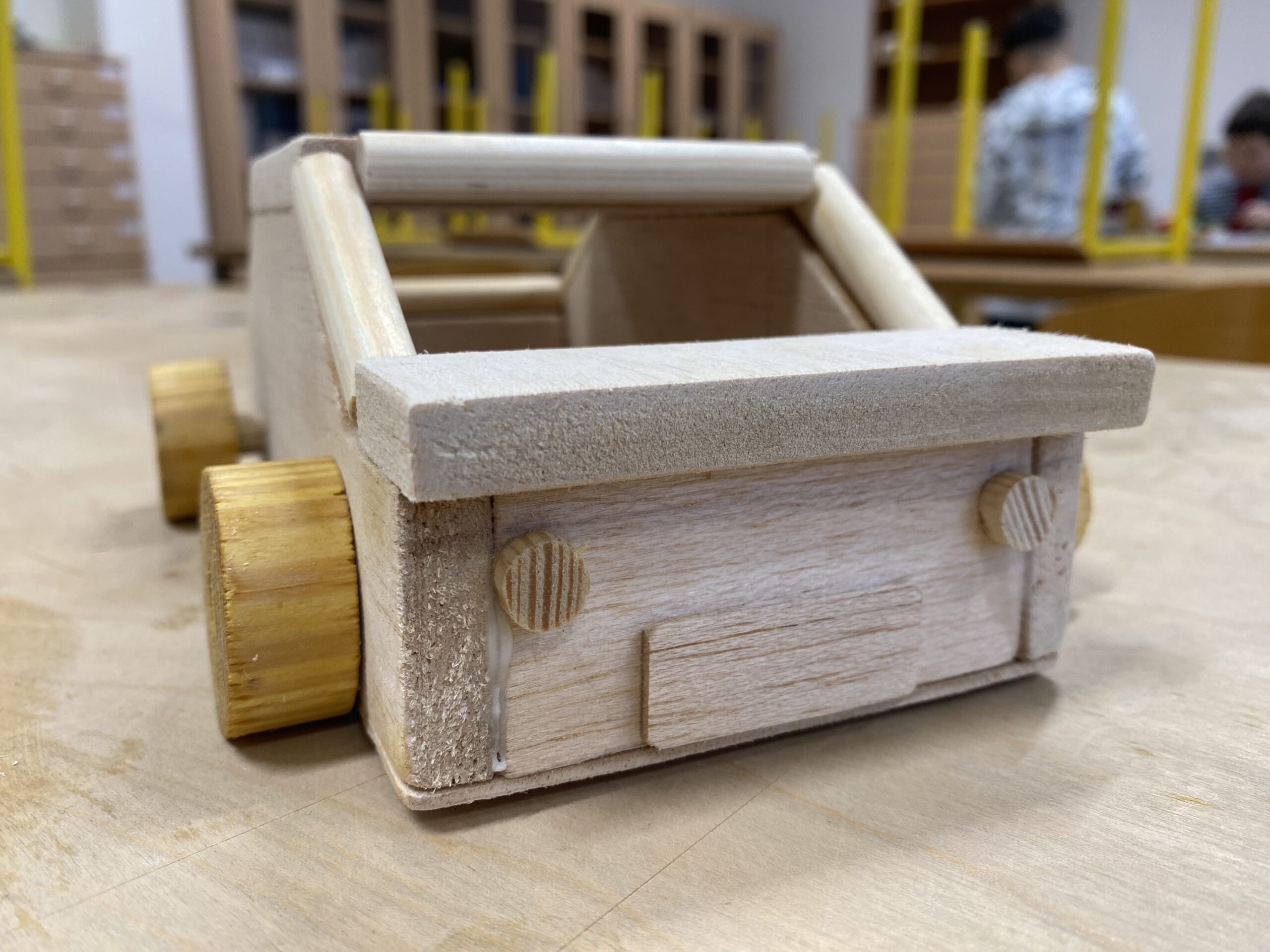
- Facilitating, Not Dictating: Instead of providing step-by-step instructions, we pose open-ended challenges. In our “Sustainable Wooden Toys” unit, for instance, we might challenge students to create a toy that teaches about sustainability, without specifying what form that toy should take.
- Encouraging Risk-Taking: We create a safe environment where failure is seen as a stepping stone to success. When working on projects like “Blast Off! Exploring Water Rockets,” we emphasize the iterative nature of the design process, celebrating failed launches as valuable learning experiences.
- Fostering Interdisciplinary Connections: We help students see links between different subjects. Our “Digital Storytellers: Crafting Interactive Narratives” unit, for example, combines elements of computer science, language arts, and visual design.
- Modeling Innovative Thinking: We demonstrate out-of-the-box thinking in our own approaches to teaching and problem-solving.
- Providing Rich, Open-Ended Resources: We offer a variety of materials and tools, allowing students to experiment and discover novel solutions.
The Student’s Journey: Learning to Fly
For students, breaking free from the ‘cage’ of conventional thinking is a gradual process. It involves developing several key skills and attitudes:
- Curiosity: Students learn to ask “What if?” questions. In our “Woodcraft and Sustainable Design” unit, they might explore questions like, “What if we could grow furniture instead of building it?”
- Resilience: Through projects like “Trash to Treasure: Designing Upcycled Products,” students learn to persist through challenges, viewing obstacles as opportunities for creative problem-solving.
- Flexibility: In units like “Traditional Woodworking Techniques and Cultural Heritage,” students learn to adapt historical methods to modern challenges, developing cognitive flexibility.
- Empathy: Our “Toy Design for Change: Creating Solutions to Support Refugee Children” unit helps students develop empathy, considering the needs and perspectives of others in their designs.
- Systems Thinking: Students learn to see interconnections between different elements, crucial for projects like our eco-friendly bird feeder that combines environmental awareness with design and technology.
Enhancing ATL Skills Through Innovative STEM Projects
The IB’s Approaches to Learning (ATL) skills are naturally developed through these innovative STEM projects:
- Thinking Skills: Open-ended challenges in units like “Sustainable Wooden Toys” require critical and creative thinking.
- Research Skills: Projects like “Traditional Woodworking Techniques and Cultural Heritage” necessitate in-depth research and information literacy.
- Communication Skills: “Digital Storytellers” unit directly enhances media literacy and communication skills.
- Social Skills: Collaborative projects, common in most units, develop teamwork and interpersonal skills.
- Self-Management Skills: The iterative nature of design in projects like “Blast Off! Exploring Water Rockets” builds organization and reflection skills.
Developing IB Learner Profile Attributes
Our approach to STEM education also nurtures the IB Learner Profile attributes:
- Inquirers: Open-ended challenges foster natural curiosity.
- Knowledgeable: Interdisciplinary projects build a broad knowledge base.
- Thinkers: Complex problem-solving tasks develop critical thinking skills.
- Communicators: Presentation of design solutions enhances communication skills.
- Principled: Sustainability-focused projects like our eco-friendly bird feeder build ethical thinking.
- Open-minded: Exposure to diverse design traditions encourages open-mindedness.
- Caring: Projects like “Toy Design for Change” develop empathy and compassion.
- Risk-takers: Encouraging experimental approaches builds courage to try new ideas.
- Balanced: Combining technical skills with creativity promotes a balanced approach.
- Reflective: The iterative design process naturally encourages reflection.
Interdisciplinary Connections: STEM Across the Curriculum
Innovative STEM education doesn’t exist in isolation. Our projects create rich opportunities for interdisciplinary learning:
- Mathematics: In “Blast Off! Exploring Water Rockets,” students apply mathematical concepts to calculate trajectories and optimize designs.
- Biology: The eco-friendly bird feeder project connects with ecology and animal behavior studies.
- Physics: Water rocket projects directly apply principles of force, motion, and aerodynamics.
- Art: All design projects, particularly “Digital Storytellers,” incorporate elements of visual arts and aesthetics.
- History: “Traditional Woodworking Techniques and Cultural Heritage” directly connects STEM with historical studies.
- Geography: Projects focusing on sustainability and local ecosystems tie into geographical concepts.
Challenges and Opportunities
Implementing this innovative approach to STEM education isn’t without its challenges:
- Assessment: Traditional assessment methods may not adequately capture the value of creative problem-solving. We need to develop new ways to evaluate innovation and out-of-the-box thinking.
- Time Constraints: Open-ended, project-based learning can be time-intensive. Balancing depth of exploration with curriculum requirements is an ongoing challenge.
- Resource Limitations: Some schools may lack the resources for extensive project-based learning. However, units like “Trash to Treasure” show how innovation can thrive even with limited resources.
- Resistance to Change: Both students and fellow educators may initially resist moving away from more structured, traditional approaches.
However, these challenges also present opportunities for growth and innovation in our teaching practices. By addressing them creatively, we model the very skills we’re trying to instill in our students.
Conclusion: Empowering Students to Soar
As educators in IB Design Technology and Computer Science, our ultimate goal is to show our students that the ‘cage’ of conventional thinking is an illusion. Through carefully crafted projects and a nurturing educational environment, we can help them realize that they have the power to fly – to innovate, create, and solve problems in ways that push the boundaries of what’s possible.
From sustainable wooden toys to digital storytelling, from water rockets to upcycled bird feeders, each project is a opportunity for students to spread their wings and explore new heights of creativity and innovation. By fostering curiosity, resilience, and out-of-the-box thinking, we’re not just teaching STEM subjects – we’re empowering the next generation of innovators, problem-solvers, and global citizens.
In the end, our role is to open the cage door and guide our students as they take their first tentative steps towards flight. As they gain confidence and skill, we have the privilege of watching them soar, knowing that the creative and innovative thinking skills they’ve developed will serve them well in whatever challenges they face in the future.
The journey from “birds in a cage” to free-flying innovators is not always easy or straightforward. But with patience, creativity, and a commitment to fostering genuine curiosity and innovation, we can help our students break free from the limitations of conventional thinking and explore the vast, open skies of possibility that STEM education can offer.