Navigating the World of VEX Robotics Education: Insights from a STEM Teacher
Introduction
As I sit down to write this blog post, I can’t help but reflect on my journey as an educator. With 23 years in the teaching profession and the last 5 years dedicated to robotics and STEM, I’ve witnessed firsthand the transformative power of hands-on, applied learning. Today, I want to focus on a specific aspect of this experience: teaching VEX Robotics. I’ll address three key questions that I’ve grappled with throughout my relatively recent, but intense, journey in robotics education:
1. Is it hard to teach VEX Robotics?
2. Should VEX Robotics educators maintain a professional demeanor?
3. Can everyone teach and learn VEX Robotics?
These questions may seem straightforward, but as I’ve discovered, the answers are nuanced and have evolved even in my short time specializing in this field. Let’s explore these topics through the lens of my experiences as a STEM educator who dove into the world of VEX Robotics.
Is it Hard to Teach VEX Robotics?
The Challenges
When colleagues ask me if teaching VEX Robotics is hard, I often respond with, “It’s challenging, but in the best possible way.”
Here’s why:
1. Multidisciplinary Nature: VEX Robotics isn’t just about robots. It incorporates elements of mechanical engineering, electrical engineering, computer science, and even physics. Balancing all these aspects can be tricky.
2. Rapid Technological Advancements: The VEX ecosystem, from the hardware to the programming environments, is constantly evolving. Staying up-to-date requires continuous learning.
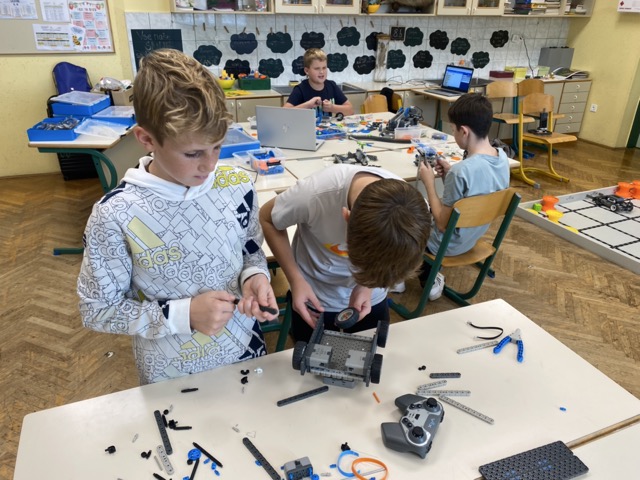
3. Diverse Student Backgrounds: Students come to robotics with varying levels of experience. Some may have been tinkering with electronics since childhood, while others might be touching a robot for the first time.
4. Resource Management: Managing a VEX Robotics program requires careful planning of resources, from budgeting for equipment to organizing workspace and competition logistics.
5. Bridging Theory and Practice: Helping students apply theoretical concepts to real-world robotics challenges is an ongoing challenge.
The Rewards
Despite these challenges, teaching VEX Robotics has been one of the most rewarding experiences of my career:
1. Tangible Outcomes: Unlike some abstract STEM concepts, in VEX Robotics, students can see, touch, and interact with the results of their work. The pride on a student’s face when their robot completes a task is priceless.
2. Fostering Collaboration: VEX Robotics naturally encourages teamwork. Watching students learn to communicate, delegate, and solve problems together is incredibly fulfilling.
3. Real-World Skills: The skills students develop – from mechanical design to programming to project management – are directly applicable to many STEM careers.
4. Competition Excitement: The VEX Robotics Competition adds an element of excitement and purpose to the learning process. It’s thrilling to see students’ growth from the classroom to the competition field.
5. Continuous Innovation: The ever-changing nature of VEX Robotics keeps both students and teachers engaged. There’s always a new challenge to tackle or a new skill to master.
So, is teaching VEX Robotics hard? Yes, but it’s the kind of challenge that keeps you on your toes and continually growing as an educator.
Should VEX Robotics Educators Maintain a Professional Demeanor?
The Case for Professionalism
When I first transitioned into teaching VEX Robotics, I approached it with the same level of professionalism I had maintained throughout my teaching career. Here’s why a professional demeanor is important in this context:
1. Safety First: Working with robotics equipment requires adherence to safety protocols. A professional approach helps maintain a safe learning environment.
2. Preparing for STEM Careers: Many VEX Robotics students aspire to STEM careers. Modeling professional behavior prepares them for future workplace expectations.
3. Competition Etiquette: VEX Robotics competitions have strict rules and etiquette. A professional demeanor helps instill these values in students.
4. Stakeholder Interactions: Running a VEX Robotics program often involves interactions with school administration, sponsors, and the wider STEM education community. Professionalism is key in these interactions.
The Importance of Approachability
However, I quickly learned that while professionalism is crucial, it shouldn’t come at the cost of being approachable and relatable, especially in the dynamic world of robotics:
1. Encouraging Experimentation: Students need to feel comfortable taking risks and trying new approaches. An overly rigid demeanor can stifle this creativity.
2. Handling Failures: In robotics, things often don’t work the first time. Being approachable helps students see failures as learning opportunities rather than defeats.
3. Promoting Questions: The complexity of VEX Robotics means students will have many questions. An approachable demeanor encourages them to seek help when needed.
4. Sharing Enthusiasm: Robotics is exciting! Letting your enthusiasm show can be contagious and motivate students.
5. Building a Robotics Community: A more relaxed atmosphere can help foster a sense of community within your robotics program.
Finding the Balance
In my experience, the key to successful VEX Robotics education lies in balancing professionalism with approachability:
1. Maintain High Standards: Set clear expectations for behavior, safety, and quality of work, but deliver them in an engaging manner.
2. Be a Mentor, Not Just a Teacher: Guide students through the problem-solving process rather than simply instructing them.
3. Show Your Human Side: Don’t be afraid to admit when you’re stumped by a problem. Use it as an opportunity to model problem-solving skills.
4. Celebrate Successes and Learn from Failures: Create an environment where both successes and failures are seen as part of the learning process.
5. Adapt to Different Situations: Be professional when the situation calls for it (like during competitions or when dealing with sponsors), but more casual during brainstorming or building sessions.
Can Everyone Teach and Learn VEX Robotics?
This question has been a point of reflection throughout my five years in robotics education.
Teaching VEX Robotics
Can everyone teach VEX Robotics? My answer is: potentially, but it requires a specific set of skills and attitudes.
What it Takes to Teach VEX Robotics
1. Technical Knowledge: A solid understanding of mechanics, electronics, and programming is crucial. However, this can be developed over time.
2. Adaptability: The VEX Robotics curriculum and competition challenges change regularly. Teachers need to be willing to adapt and learn continuously.
3. Project Management Skills: Managing a VEX Robotics program involves coordinating multiple teams, projects, and competition schedules.
4. Patience and Problem-Solving Skills: Troubleshooting robots requires patience and analytical thinking. Teachers need to guide students through this process.
5. Enthusiasm for Technology: A genuine interest in robotics and technology helps in engaging students and staying motivated.
While these skills can be developed, it does take a particular type of dedication to become an effective VEX Robotics educator. It’s not for everyone, but for those who embrace it, it can be incredibly rewarding.
Can everyone learn VEX Robotics?
This is where my perspective has evolved the most over the past five years.
Initial Perspective
When I first started teaching VEX Robotics, I thought it might only be suitable for students who already excelled in math and science. I was concerned that the complexity might be overwhelming for others.
Current Perspective
After five years of teaching students from diverse backgrounds, I’ve come to a different conclusion: Yes, everyone can learn VEX Robotics, but they might engage with it differently and progress at different rates.
Here’s what I’ve observed:
1. Multiple Entry Points: VEX Robotics offers various roles – mechanical design, programming, project management, documentation. This allows students with different strengths to find their niche.
2. Scaffolded Learning: The VEX curriculum is well-designed to introduce concepts gradually, allowing students to build confidence over time.
3. Hands-On Learning: The practical nature of robotics often engages students who might struggle with traditional theoretical learning.
4. Teamwork and Peer Learning: The collaborative nature of VEX Robotics allows students to learn from each other, often overcoming individual limitations.
5. Real-World Relevance: Seeing the real-world applications of robotics can motivate students who might otherwise be disinterested in traditional STEM subjects.
Conclusion: The Future of VEX Robotics Education
As I reflect on my 23 years in education, with the last 5 focused on VEX Robotics, I’m excited about the future of this field. Yes, teaching VEX Robotics is challenging, but it’s a challenge that brings immense rewards. Balancing professionalism with approachability creates an environment where students can thrive and innovate.
Most importantly, I’ve learned that VEX Robotics has the potential to engage a wide range of students, fostering skills that go beyond robotics – critical thinking, collaboration, and problem-solving. Our job as educators is to create inclusive, engaging programs that make robotics accessible to all students.
The future of technology and innovation relies on programs like VEX Robotics to inspire and prepare the next generation of STEM professionals. By making robotics education engaging and accessible, we’re not just teaching students how to build robots – we’re empowering them to become the problem-solvers and innovators of tomorrow.
As I continue my journey in VEX Robotics education, I remain committed to growing, learning, and adapting my methods to serve all students. Because in the end, that’s what teaching robotics is all about – opening doors to the exciting world of technology and helping students discover their potential.
To my fellow VEX Robotics educators, keep up the fantastic work. Your efforts are shaping the future of technology education. And to all the students out there: don’t be intimidated by robotics. Dive in, ask questions, and remember that every expert was once a beginner. The world of VEX Robotics education is dynamic and full of possibilities. Here’s to many more years of learning, teaching, and innovating in this exciting field!