
The Impact and Challenges of Teaching STEM Across the Curriculum

In today’s rapidly evolving technological landscape, the importance of STEM education (Science, Technology, Engineering, and Mathematics) cannot be overstated. As educators, we have a responsibility to prepare our students for the challenges and opportunities of the future. Integrating STEM across all subjects not only enhances students’ learning experiences but also equips them with critical skills for the 21st century. However, despite its numerous benefits, many teachers still hesitate to incorporate STEM into their curriculum. In this blog post, we’ll explore the advantages of teaching STEM for both students and teachers, examine the teacher’s role in STEM education, and address the reasons why some educators shy away from integrating STEM into various subjects.
What STEM Education Offers Students
1. Critical Thinking and Problem-Solving Skills
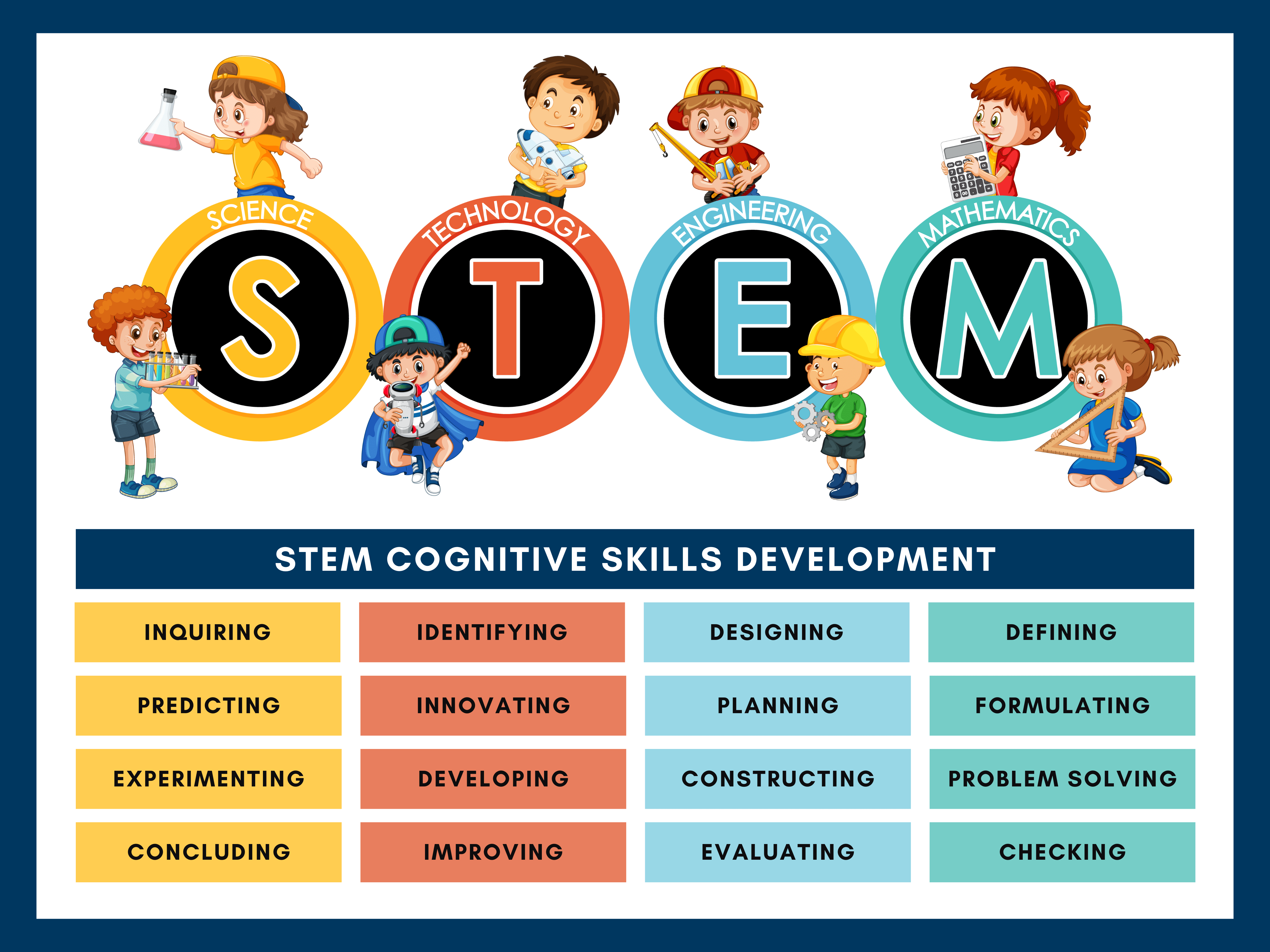
STEM education encourages students to think critically and approach problems systematically. By engaging in hands-on experiments, data analysis, and project-based learning, students develop the ability to identify issues, formulate hypotheses, and devise creative solutions. These skills are invaluable not only in STEM fields but in all aspects of life.
2. Improved Creativity and Innovation
Contrary to popular belief, STEM education isn’t just about memorising facts and formulas. It fosters creativity by challenging students to think outside the box and develop innovative solutions to real-world problems. This creative thinking is essential in today’s fast-paced, ever-changing world.
3. Enhanced Collaboration and Communication Skills
Many STEM projects require teamwork, allowing students to develop crucial collaboration skills. They learn to communicate complex ideas effectively, listen to others’ perspectives, and work together towards common goals. These interpersonal skills are highly valued in the modern workplace.
4. Increased Digital Literacy
In our technology-driven society, digital literacy is no longer optional. STEM education helps students become proficient in using various digital tools and platforms, preparing them for the tech-centric jobs of the future.
5. Better Career Preparedness
STEM fields are among the fastest-growing and highest-paying career sectors. By exposing students to STEM concepts early and often, we’re preparing them for a wide range of exciting career opportunities in the future.
Benefits for Teachers
1. Professional Growth
Teaching STEM across subjects pushes educators out of their comfort zones, encouraging continuous learning and professional development. This constant growth keeps teachers engaged and passionate about their work.
2. Increased Student Engagement
STEM-integrated lessons are often more interactive and engaging for students. This increased engagement can lead to improved classroom management and a more positive teaching experience overall.
3. Interdisciplinary Connections
Incorporating STEM into various subjects helps teachers make meaningful connections between different areas of study. This interdisciplinary approach can lead to more holistic and effective teaching strategies.
4. Innovation in Teaching Methods
STEM education often involves project-based and inquiry-based learning approaches. These innovative teaching methods can reinvigorate a teacher’s passion for education and lead to more effective learning outcomes.
The Teacher’s Role in STEM Education
1. Facilitator of Learning
In STEM education, the teacher’s role shifts from being a mere lecturer to a facilitator of learning. Teachers guide students through the process of discovery, encouraging them to ask questions, experiment, and draw their own conclusions.
2. Creator of Engaging Learning Experiences
Teachers must design lessons and activities that spark curiosity and promote hands-on learning. This requires creativity and a willingness to experiment with new teaching methods.
3. Cultivator of a Growth Mindset
STEM subjects often involve trial and error. Teachers play a crucial role in fostering a growth mindset, helping students understand that mistakes are valuable learning opportunities.
4. Collaborator and Lifelong Learner
To effectively teach STEM across subjects, teachers must be willing to collaborate with colleagues from different disciplines and continuously update their own knowledge and skills.

Why Some Teachers Avoid Integrating STEM Across Subjects
Despite the numerous benefits, many teachers are hesitant to incorporate STEM into their curriculum. Here are some common reasons:
1. Lack of Confidence in STEM Skills
Many teachers, especially those without a strong background in STEM subjects, may feel intimidated by the prospect of teaching these concepts. This lack of confidence can be a significant barrier to STEM integration.
2. Time Constraints
With already packed curricula and pressure to meet standardised testing requirements, some teachers feel they don’t have the time to incorporate additional STEM activities into their lessons.
3. Limited Resources
Some schools lack the necessary resources (equipment, technology, materials) to effectively implement STEM education across subjects. This can discourage teachers from attempting integration.
4. Insufficient Professional Development
Many teachers haven’t received adequate training on how to effectively integrate STEM into their specific subject areas. Without proper guidance and support, they may feel unprepared to take on this challenge.
5. Misconceptions About STEM
Some educators mistakenly believe that STEM is only relevant to science and math classes. This narrow view prevents them from seeing opportunities for integration in other subjects.
Conclusion
Teaching STEM across the curriculum offers numerous benefits for both students and teachers. It equips students with essential skills for the future while providing teachers with opportunities for professional growth and innovative teaching. However, to overcome the barriers that prevent some teachers from embracing STEM integration, we need to address issues of confidence, resources, and training.
As educators, it’s our responsibility to prepare students for the challenges of tomorrow. By incorporating STEM principles into all subjects, we can create a more engaging, relevant, and effective learning experience for our students.
It’s time for all teachers to embrace the potential of STEM education and help shape a brighter future for the next generation.